Maximalism
More Is More
Where minimalism removes, maximalism accumulates. Dense layers of pattern, type, color, and ornament that reward extended viewing and resist at-a-glance consumption. Maximalism has always been the aesthetic of abundance, from Baroque to Memphis to today's pattern-heavy editorial design.
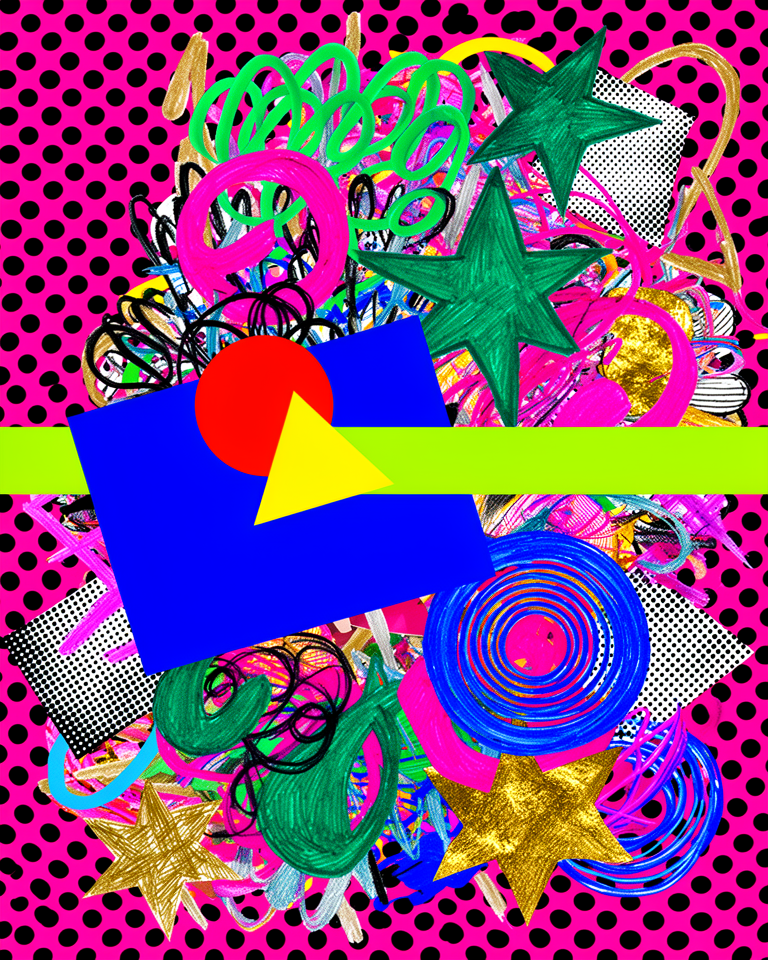
The long history of deliberate excess
Maximalism as a modern design philosophy crystallised with the Memphis Group's ironic, pattern-clashing aesthetic in Milan in the 1980s, though its roots run back through Art Nouveau, Baroque, and every era that celebrated ornament over reduction. Its current revival is a direct cultural response to decades of minimal white-space design.
Memphis Group ignites the conversation
Memphis Group rejects Bauhaus minimalism with bold pattern, clashing color, and ironic ornament that makes deliberate excess a design philosophy.
Fashion and print keep the flame
High-fashion brands and print magazines keep maximalism alive through editorial excess while the web trends relentlessly toward minimalism.
Instagram-era visual culture reacts
Instagram-era visual culture triggers a maximalist reaction against minimal white-space design, with bold color and heavy pattern flooding feeds.
Post-pandemic richness
Post-pandemic design culture embraces richness, texture, and expressive layering in earnest; maximalism is no longer countercultural, it is a mainstream choice.
The visual logic of deliberate excess
Pattern on pattern
Multiple textures and prints coexist without a single dominant visual hierarchy; the layering itself is the design statement. Unlike accidental chaos, maximalist pattern work is curated and intentional.
Color overload
Extended palettes with no single dominant hue deploy hue contrast for energy rather than differentiation. The goal is sensation, not wayfinding.
Typographic density
Multiple typefaces, sizes, and orientations compete and coexist on a single page. Type becomes texture and image as much as it functions as readable language.
Deliberate clutter
Every surface is occupied; empty space is used sparingly and with clear intent. The viewer is invited to explore and discover rather than be guided to a single focal point.
For brands built on identity, not utility
Maximalism works when the brand identity itself is the product, when the experience of being immersed in a visual world is more important than frictionless task completion. It demands skilled execution and strong creative direction; in the wrong hands, deliberate clutter becomes unintentional confusion.
- 01High-fashion brandsLuxury labels use visual excess to signal the abundance their products embody
- 02Music & culture editorialMusic press and cultural magazines need to match the energy of the art they cover
- 03Art & gallery sitesContemporary art spaces can extend curatorial voice into their digital presence
- 04Creative studio portfoliosAgencies and studios use maximalism as a proof of concept for their own capabilities
Maximalism in the wild
The committed maximalist digital presences belong to brands for whom visual culture is the product: fashion houses, cultural institutions, and subculture labels.
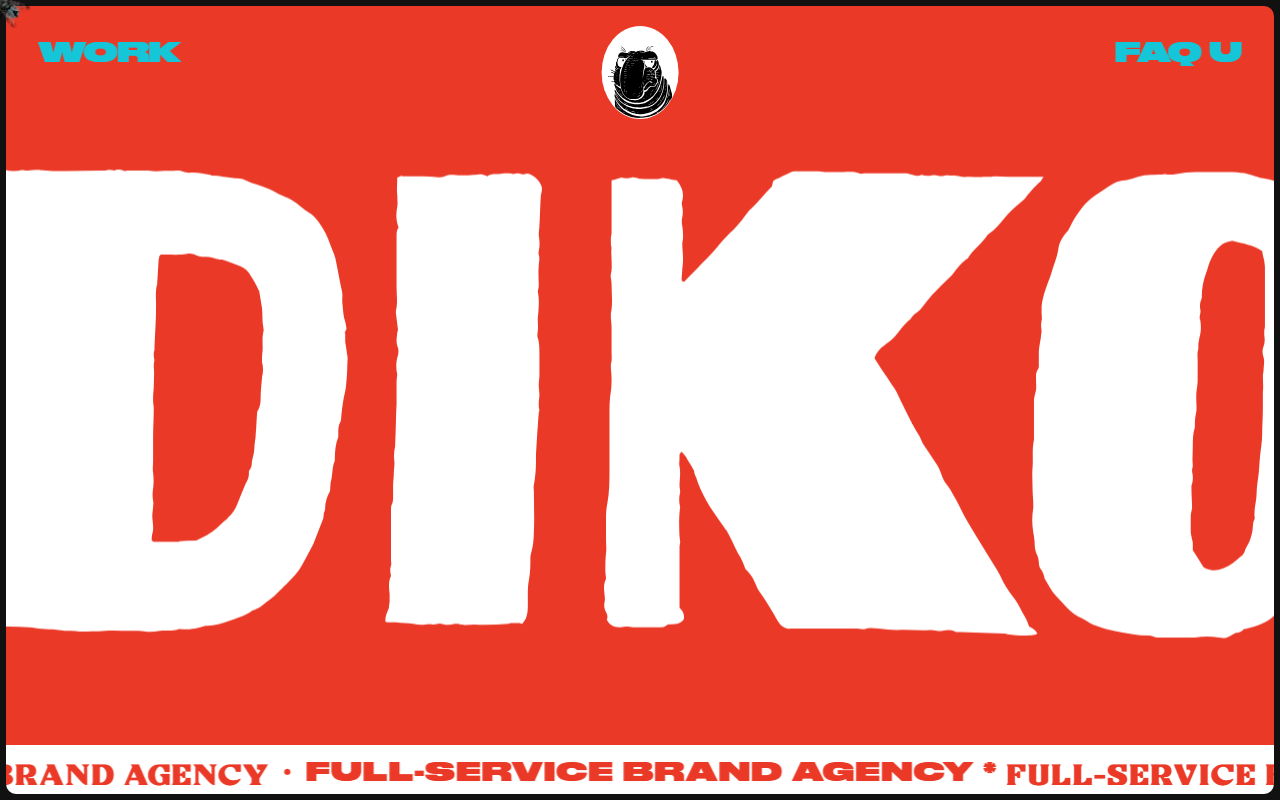
A brand agency that practices what it preaches: oversized type bleeding off every edge, clashing cyan on red, and a ticker tape footer that refuses to let the eye rest.
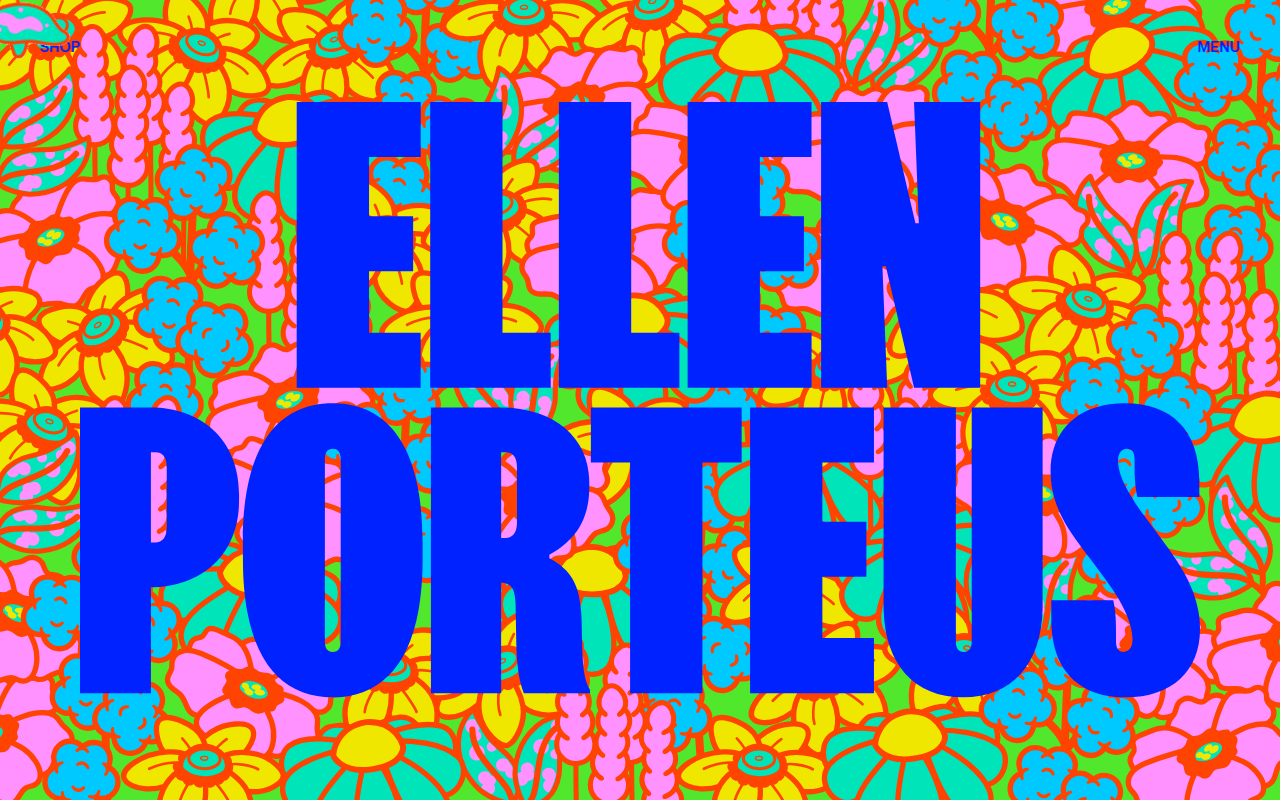
The illustrator's portfolio covers every pixel in dense floral pattern with clashing primary colours — no whitespace, no restraint, maximum visual abundance.
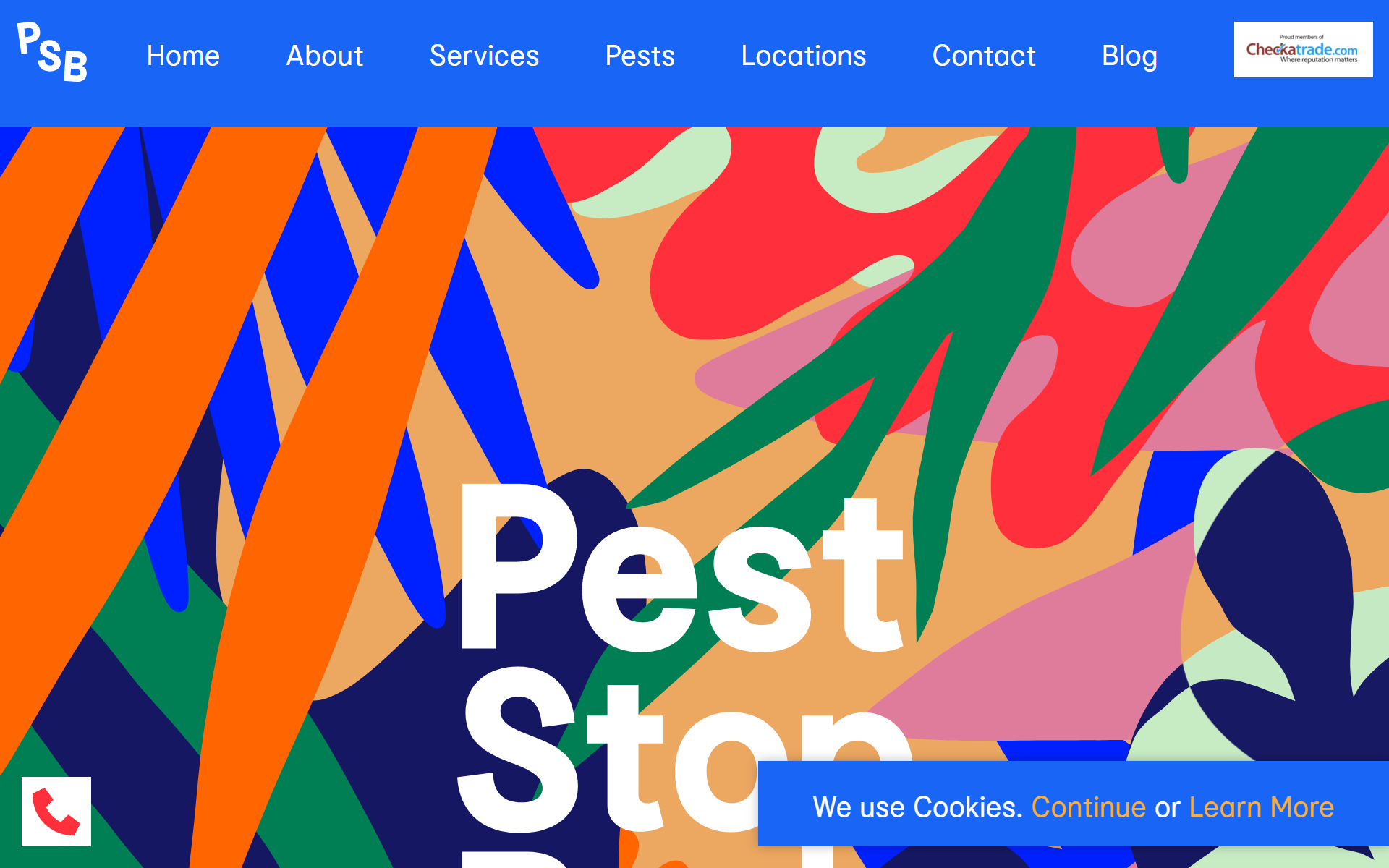
A pest control company that throws out every service-industry convention: bold colour, oversized type, and a personality so loud it makes competitors invisible.
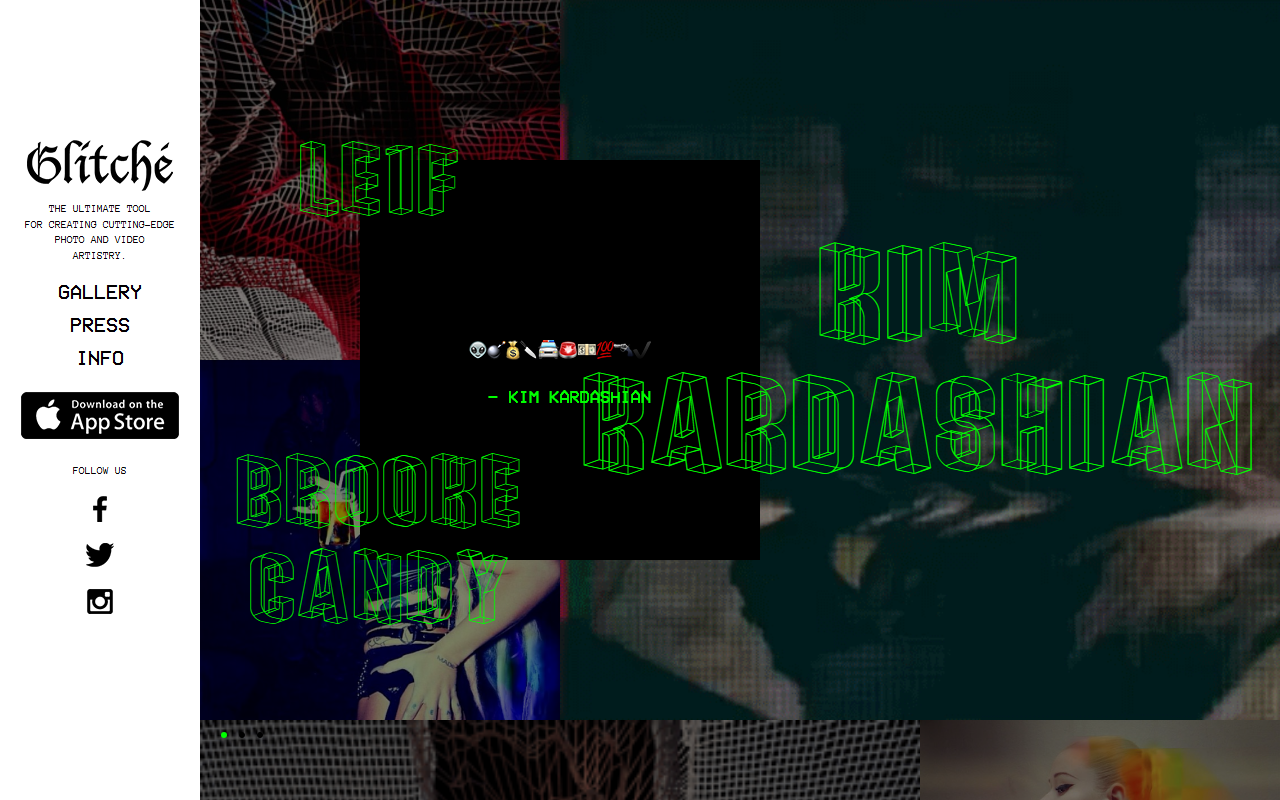
The glitch art app's site layers distorted imagery, overlapping type, and visual noise into a maximalist composition that is the product made web page.
The trade-offs
+ Strengths
- Completely unmistakable brand identity: impossible to confuse with competitors
- Luxurious and immersive experience that rewards time and exploration
- Rewards discovery: new details emerge on every revisit
- Impossible to copy accidentally; the execution itself is the differentiator
− Watch-outs
- Inaccessible to users who need visual clarity or have cognitive load constraints
- Asset-heavy pages carry significant performance cost without careful optimisation
- Extremely challenging for multi-person teams to execute consistently over time
- Content and key messages can get completely lost in the visual noise
Builds coming soon
This style hasn't been built yet. Check back later.