Y2K
Turn of the Millennium
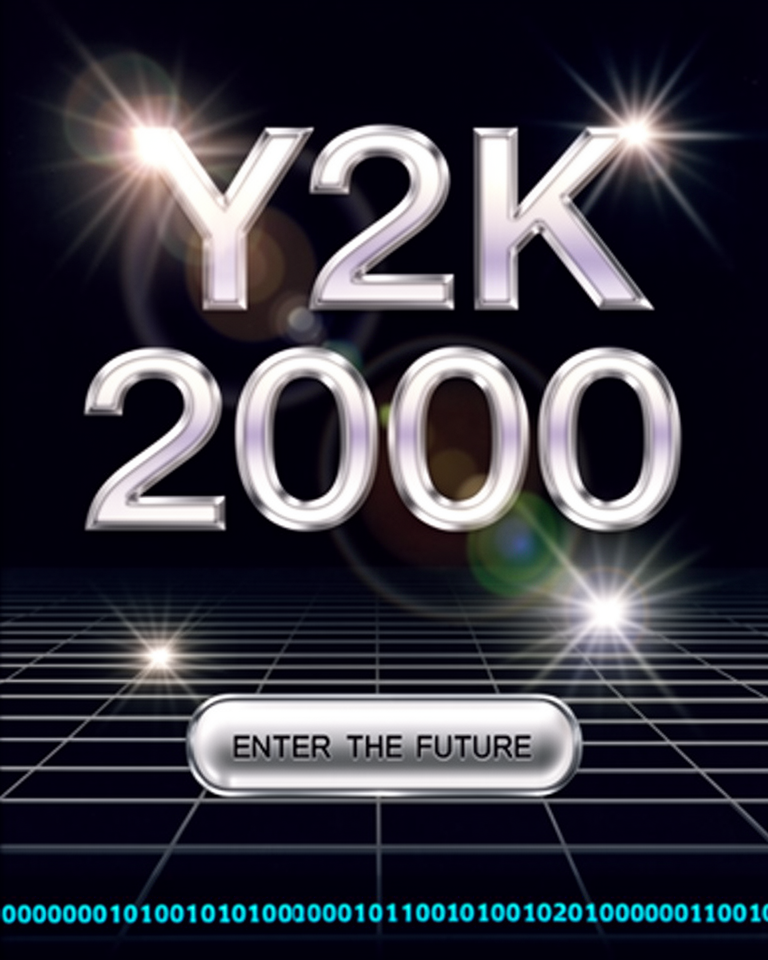
Y2K aesthetics captured the millennium's anxious optimism: chrome, iridescent gradients, transparent plastic, and digitized bodies in a world that believed the future was imminent. The style has returned as one of the dominant nostalgia aesthetics of the 2020s, worn by fashion brands and musicians who grew up watching The Matrix.
The Future That Was and Is Again
Y2K aesthetic was born from a moment of genuine utopian belief: that technology would soon dissolve the boundary between the physical and digital. When that promise collapsed with the dot-com bust, the visual language went underground, surfacing decades later as one of the most powerful nostalgia triggers in contemporary culture.
Millennium Fever
The millennium approaches; futuristic chrome and plastic flood consumer products, pop music, and web design as the world imagines a technological future that is finally, thrillingly close.
First Wave Ends
The dot-com bust ends the first wave of Y2K visual culture; the aesthetic retreats to video games, niche online communities, and the memory of a decade that promised more than it delivered.
Hypebeast Revival Begins
Hypebeast culture and 2000s fashion revival begin bringing iridescent and chrome back: Balenciaga, Palace, and a generation of streetwear brands rediscover the millennium's visual vocabulary.
Dominant Nostalgia Trend
Y2K is a dominant nostalgia trend in fashion, music, and digital visual culture; a fully self-aware revival with Charli XCX, Paris Hilton, and Gen-Z at the centre of its cultural moment.
Chrome, Plastic, and Pixels
Chrome & Iridescent
Metallic surfaces, rainbow oil-slick gradients, and chrome type define the material palette. The surface simulates physical materials (polished metal, liquid mercury, colour-shifting fabric) that were aspirational in the early digital era.
Transparent Plastic
See-through or frosted interfaces, plastic UI panels, and jelly-like UI elements reference the iMac G3 era of consumer electronics. Transparency was a signal of futurism: nothing to hide, everything visible.
Pixel & Digital Artifacts
Low-res textures, JPEG artifacts, and pixel fonts are deployed as deliberate aesthetic choices. The error becomes the texture: digital noise and compression artifacts worn as badges of era authenticity.
Body & Tech Fusion
Digital-human imagery (rendered bodies, cybernetic overlays, and futuristic fashion photography) places humans inside the technological frame. The body is upgraded, modified, and optimised by the digital.
The Channels Where Chrome Lives
Y2K works best in digital-native channels (social media, streaming, and e-commerce) where its target audience of Millennials and Gen-Z already live. It is a style built for visual platforms: Instagram, TikTok, and the digital-first fashion economy that grew up alongside them.
- 01Fashion & StreetwearBrands targeting Millennials and Gen-Z who grew up with the original aesthetic or discovered it through nostalgia culture.
- 02Music & EntertainmentArtists and labels positioning in pop, electronic, and hyperpop; genres with the strongest cultural connection to the millennium moment.
- 03Beauty BrandsMakeup and skincare brands targeting younger consumers who identify with Y2K fashion and pop culture references.
- 04Youth CultureAny brand that needs to signal cultural fluency with audiences who are living the revival as a first-hand aesthetic experience.
The Revival in Full Effect
The current Y2K revival is driven by music, fashion, and celebrity culture; brands that understand the reference and deploy it with self-awareness rather than nostalgia for its own sake.
The trade-offs
+ Strengths
- Huge cultural moment: instantly resonant with Millennials and Gen-Z in fashion, music, and lifestyle
- Rich visual vocabulary: chrome, iridescent, transparent plastic all translate directly to CSS and web graphics
- Strong in digital-native channels: built for social media, streaming, and the visual economy of platforms
- Signals cultural fluency; using it correctly demonstrates deep knowledge of the current nostalgia cycle
− Watch-outs
- Trend-dependent: will date as Y2K nostalgia passes, possibly as quickly as it arrived
- Narrow audience in B2B or institutional contexts: chrome and iridescent read as juvenile outside youth culture
- Chrome and iridescent effects can be performance-heavy; complex gradients and backdrop filters strain lower-end devices
- Saturation risk: as the trend peaks, differentiating within the aesthetic becomes harder and harder
Builds coming soon
This style hasn't been built yet. Check back later.