Web 1.0
The Early Web
Web 1.0 design (blinking text, beveled buttons, tiled backgrounds, and animated GIFs) wasn't a style choice; it was the creative limit of early browsers and the enthusiasm of people learning to publish online for the very first time. Today it is deliberately revived as a nostalgia aesthetic and counter-cultural statement.
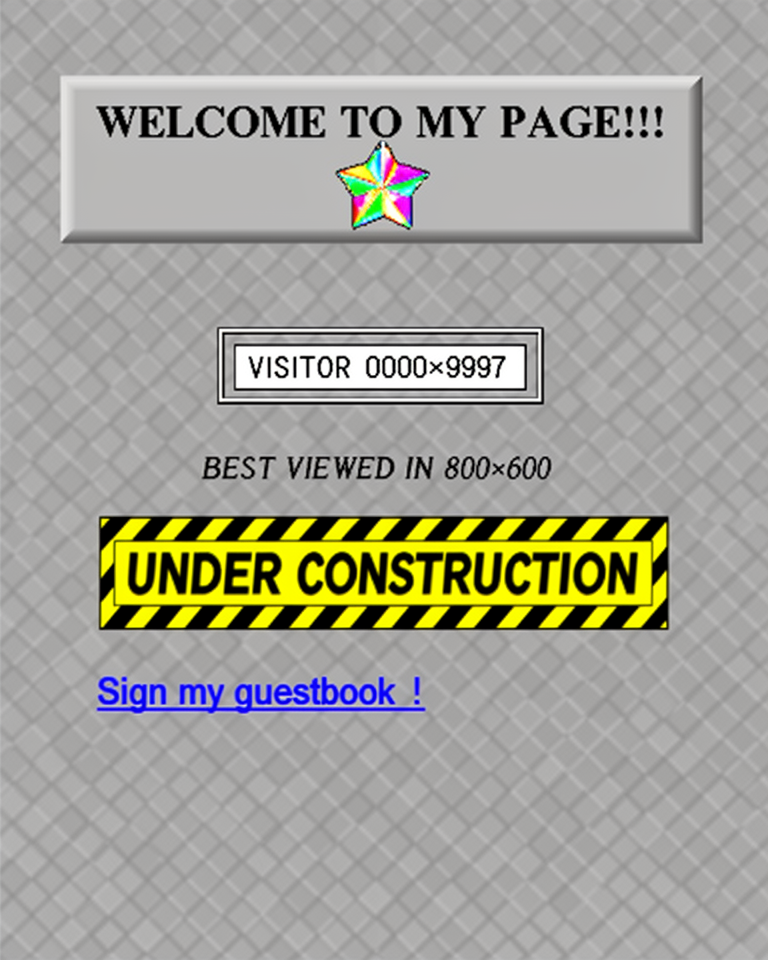
The Web Before Design Knew What It Was
The early web was built by scientists, hobbyists, and curious amateurs before professional designers arrived. Its aesthetic was accidental: the product of technical constraints, browser defaults, and pure enthusiasm rather than any design intention.
Mosaic Arrives
The first web browsers arrive; Mosaic's default rendering defines the earliest web aesthetic: grey backgrounds, blue underlined links, and Times New Roman body text.
GeoCities & the Amateur Web
GeoCities launches; amateur HTML lets millions publish with tables, patterned backgrounds, hit counters, and animated GIFs, creating the distinctive visual chaos of the personal homepage era.
The Dot-Com Bust
The dot-com bust ends the first web era; professional design begins to replace early chaos as surviving companies invest in brand standards and usability.
Deliberate Revival
Y2K and Web 1.0 nostalgia drives deliberate revival in art projects, zines, and ironic commercial use; Neocities has become the spiritual home of the aesthetic's second life.
The Marks of the Early Web
Tiled Background
Repeating bitmap textures (stars, marble, bricks, clouds) as full-page backgrounds were the first tool amateur web designers reached for. The tile was a shortcut to visual richness that required no design skill, only a GIF.
Beveled UI
3D-style beveled buttons and raised panels (rendered in GIF or later in CSS) gave the web a tactile quality borrowed from desktop application chrome. Everything looked like it could be pressed.
Animated GIFs
Small looping animations used as decorative elements, section dividers, and icons were the internet's first moving image format. The animation was crude but the energy was genuine; nothing on the page was still.
Table Layout
Content arranged in visible or invisible HTML tables (the original web grid system) created multi-column layouts that were technically fragile but visually ambitious. Nested tables were the dark art of 1990s web design.
A Style with a Very Specific Audience
Web 1.0 aesthetics work only when the audience shares the reference: people who were online in the 1990s, or younger audiences who have discovered the era through nostalgia culture. Outside these communities it reads as broken, unprofessional, or simply confusing. Context is everything.
- 01Art & Net-Art ProjectsArtists working with internet history, digital archaeology, and the politics of early web culture find authentic voice in this aesthetic.
- 02Music & Subculture SitesIndependent musicians, zine makers, and subculture communities use Web 1.0 as an anti-corporate, anti-algorithmic statement.
- 03Nostalgia PlatformsCommunities built around 1990s internet culture (Neocities, archive projects, reunion sites) where the aesthetic is the content.
- 04Ironic Commercial BrandsA very small number of youth brands have successfully deployed Web 1.0 aesthetics as deliberate anti-design; the execution must be knowing.
The Revival in Practice
The best Web 1.0 revival work uses the aesthetic with historical awareness: it knows what it is quoting and why. The worst is simply broken HTML that hasn't been updated since 1997.
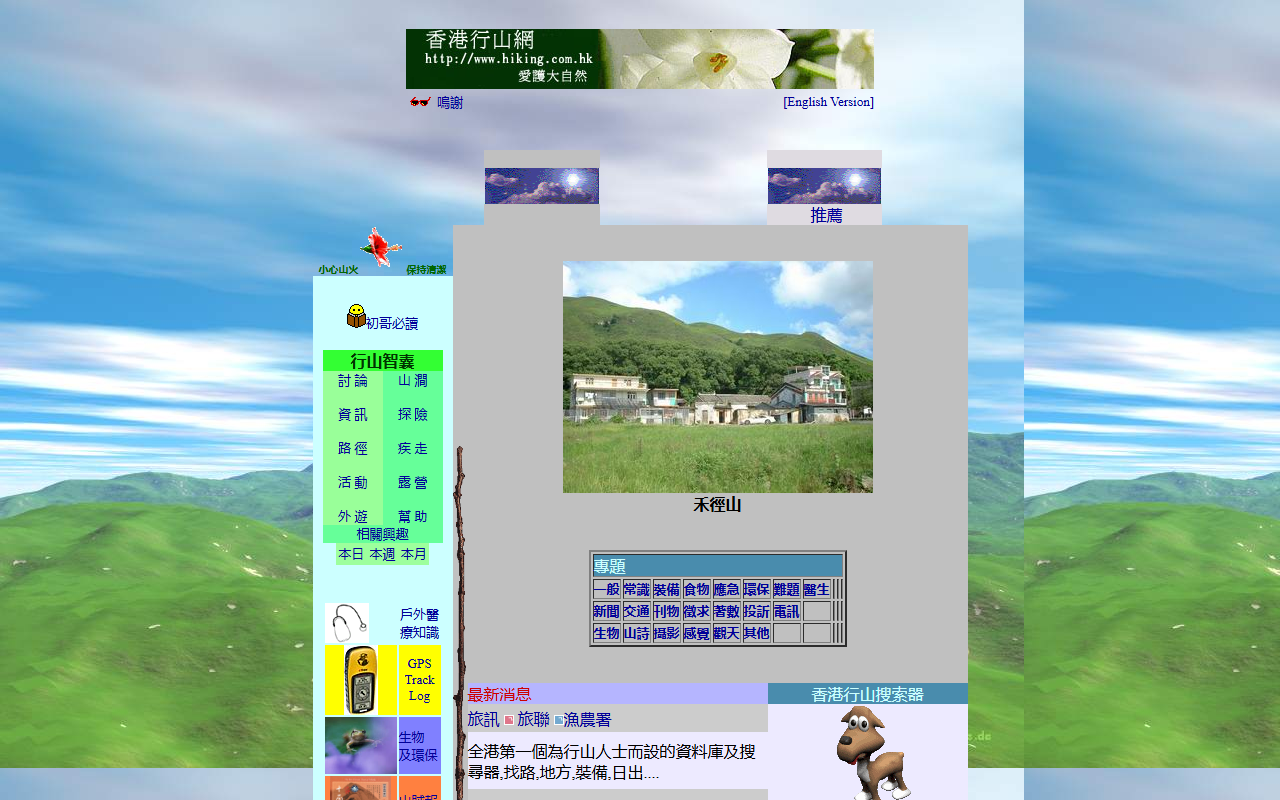
A genuine surviving Web 1.0 site: tiled backgrounds, table layouts, pixel fonts, and navigation frozen in the mid-1990s aesthetic — the real thing, not a revival.
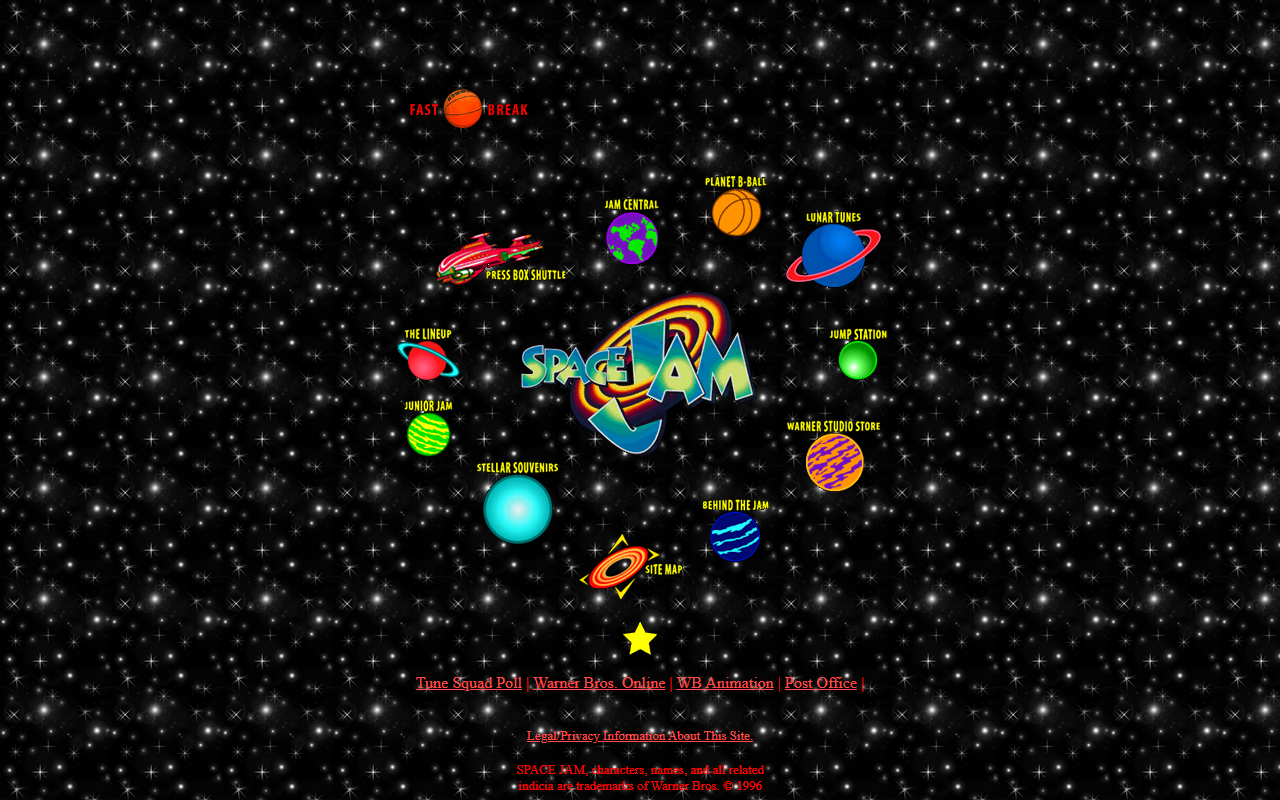
The legendary 1996 Warner Bros. promotional site, preserved in perfect amber: animated GIFs, starfield background, and a layout that launched a thousand nostalgia threads.
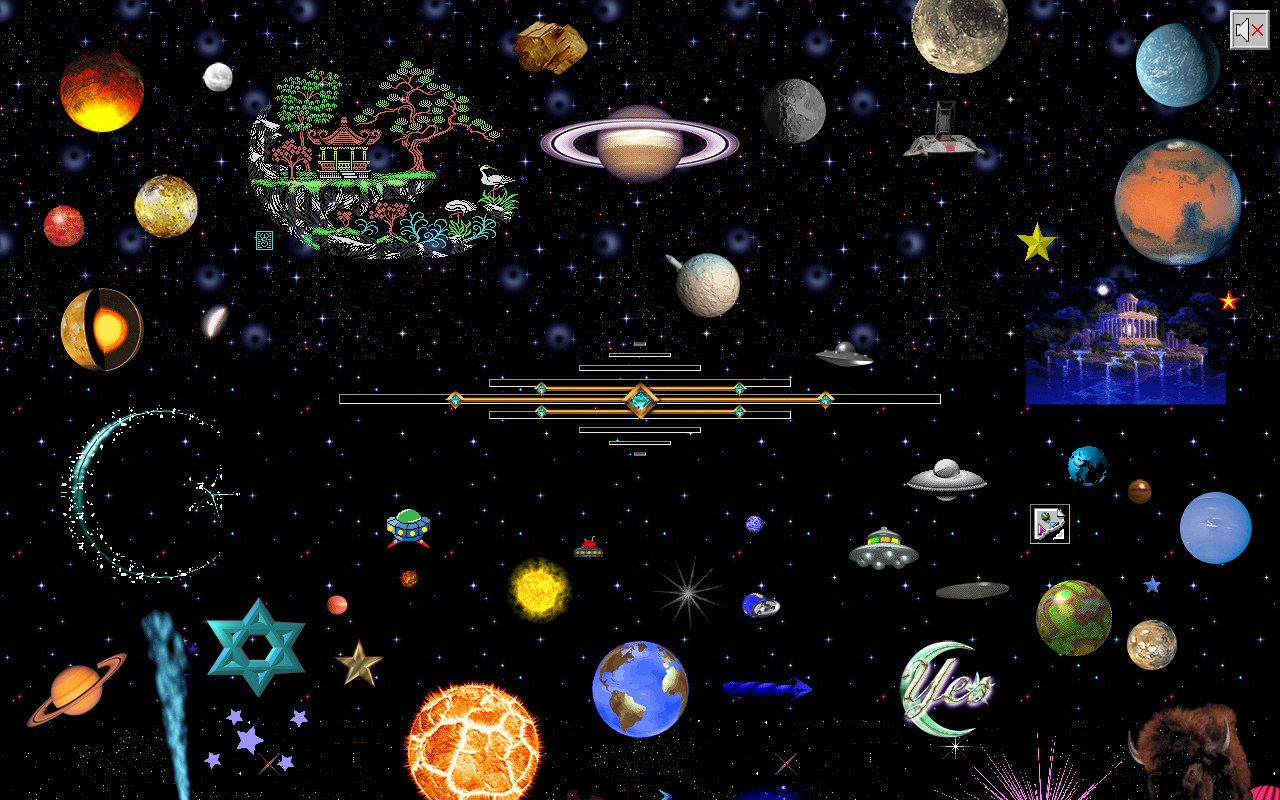
A net-art collage built entirely from rescued GeoCities content: one of the most thoughtful and moving works of internet archaeology ever assembled.
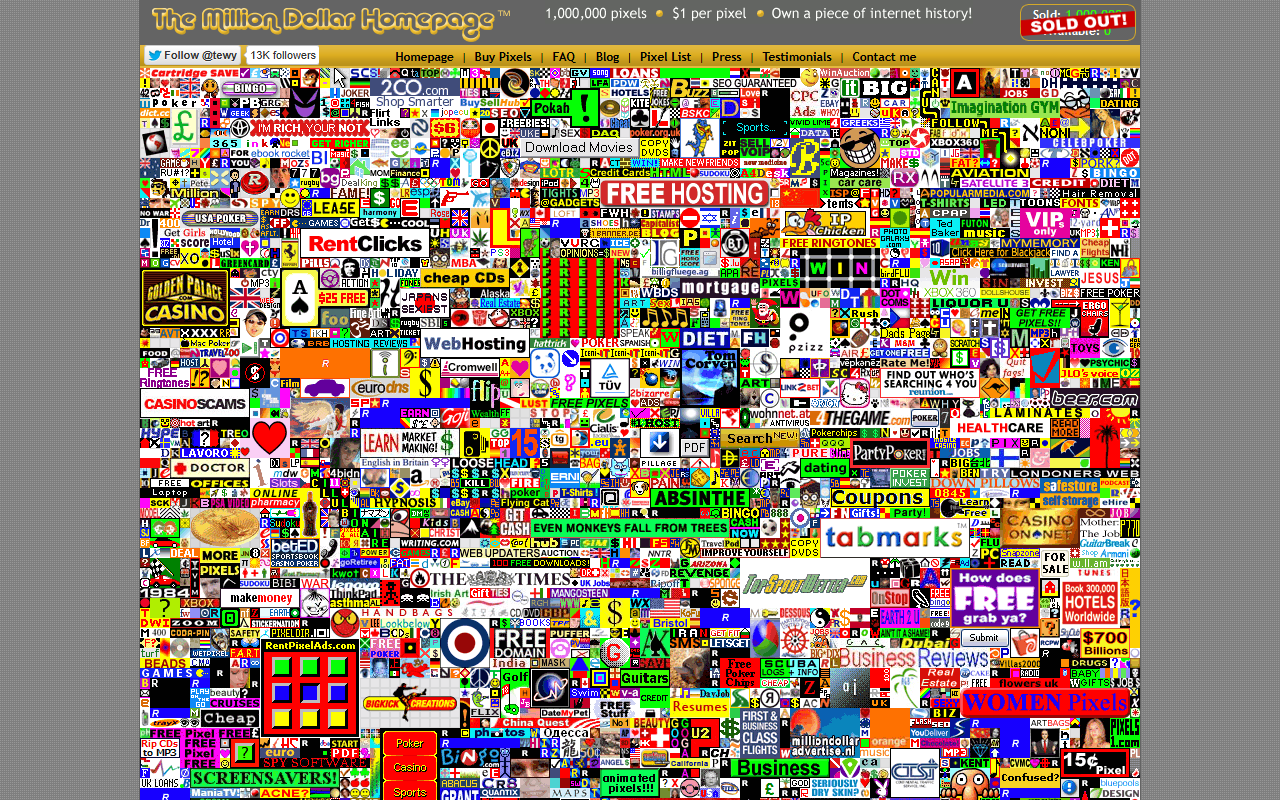
Alex Tew's 2005 pixel-grid ad experiment — one million pixels sold for $1 each — became an accidental monument to early web commerce and visual chaos.
The trade-offs
+ Strengths
- Completely distinctive: nothing in contemporary mainstream web design looks like this
- Extremely cheap to produce: HTML tables, GIFs, and bitmap textures require no tooling budget
- Politically interesting as an anti-corporate statement, signaling independence from platform and brand orthodoxy
- Beloved by communities who grew up online in the 1990s; creates instant emotional recognition
− Watch-outs
- Almost entirely inaccessible: table layouts, low contrast, and blinking elements fail every modern accessibility standard
- Unusable by mainstream audiences: users without the cultural reference find it disorienting and broken
- Serious credibility risk outside the right context; it will destroy trust for any brand that needs to be taken seriously
- Revival can feel ironic rather than sincere; the line between homage and mockery is narrow and easily crossed
Builds coming soon
This style hasn't been built yet. Check back later.