Pixel / 8-bit
Every Dot Counts
Every dot deliberate. 8-bit and pixel art translate the severe constraints of early video game hardware into a design language that is painstakingly hand-crafted, and unmistakably, enduringly charming.
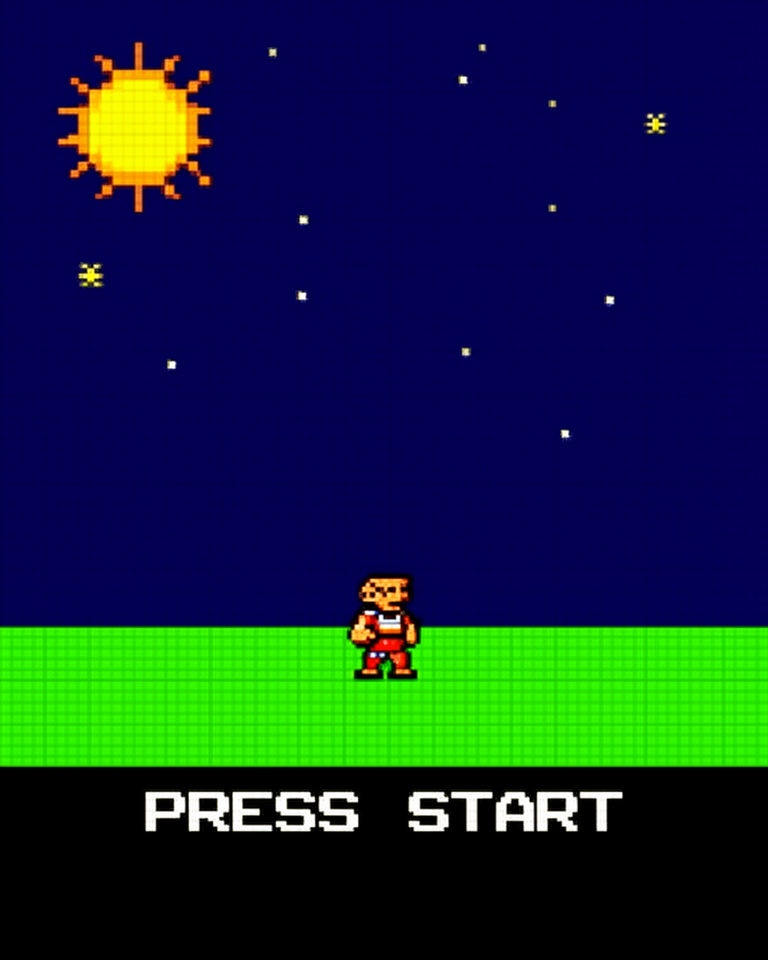
Constraint as Craft
Pixel art wasn't invented; it was forced into existence by the limitations of early computer hardware. With display memory measured in kilobytes and palettes limited to 16 or fewer colors, early game artists developed extraordinary craft within extreme constraints. When those constraints lifted, the style remained, because it turned out that what looked like hardware limitation was actually a visual language with its own distinct beauty.
Early Arcade Graphics
Pong's simple white rectangles are the primordial pixel art. Every subsequent arcade game (Space Invaders, Pac-Man, Donkey Kong) refines the vocabulary of limited-palette, grid-constrained visual design.
The NES Golden Era
Nintendo's NES and later the SNES push pixel art to its artistic peak; sprite work becomes sophisticated, expressive character design emerges, and pixel animation becomes a genuine art form.
Indie Game Renaissance
Cave Story and later Minecraft, Terraria, and Shovel Knight reclaim pixel art as a conscious creative choice, handcrafted against the industry's photorealistic mainstream.
Deliberate Aesthetic Choice
Pixel art is everywhere the indie spirit lives: game jams, game portfolios, developer tools, and brands that want to signal authenticity and craft. It is no longer a constraint; it is a conviction.
The Beauty of the Grid
Grid-constrained Imagery
Every element is defined by the pixel grid; curves are represented as staircases, gradients as dithering patterns, and depth through careful sprite layering rather than traditional perspective.
Limited Color Palette
Authentic pixel art uses 4, 16, or 256 colors at most. The constraints that once forced creative palette decisions are now chosen deliberately to create cohesion, period authenticity, and visual identity.
Sprite-based Composition
Characters, objects, and UI elements are built from discrete sprite tiles: modular, grid-aligned, and assembled like visual LEGO. The modularity is visible and intentional.
Chunky Typography
Pixel fonts (designed on a grid with no anti-aliasing) have a distinctive weight and rhythm. At small sizes they are perfectly legible; scaled up, every pixel becomes visible and beautiful.
For Makers Who Wear Their Craft
Pixel / 8-bit works wherever the audience's relationship with video game history is part of the product experience. It is a style for community builders: it signals shared cultural memory, handcraft values, and a deliberate rejection of the polished corporate mainstream.
- 01Gaming ProductsIndie game sites, game jams, and retro gaming platforms where the aesthetic is native to the product experience.
- 02Developer ToolsCLI tools, developer utilities, and technical products that want to signal playfulness, indie spirit, and community over corporate polish.
- 03Indie Maker PortfoliosDesigners and developers who build things for love as much as money; the aesthetic signals authentic creation over commercial production.
- 04Retro Brand CampaignsBrands activating nostalgia: gaming anniversaries, throwback campaigns, or products for audiences whose formative experiences were on 8-bit hardware.
Pixels That Earned Their Place
The best pixel art design on the web uses the constraint of the grid as the source of its character, not an approximation of retro aesthetics, but genuine engagement with the craft of the form.
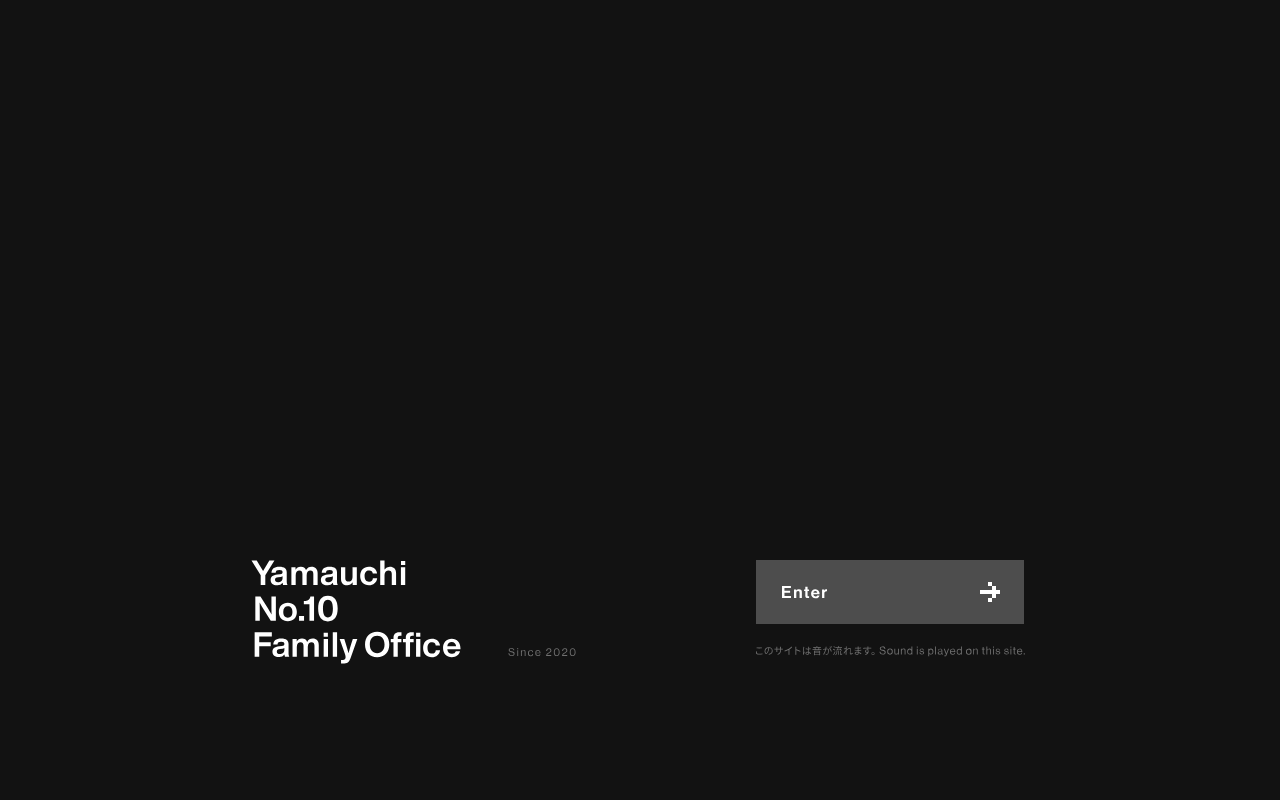
A portfolio site built entirely in pixel art: every element rendered in the 8-bit grid, from navigation to illustrations, showing the style applied to a personal web presence.
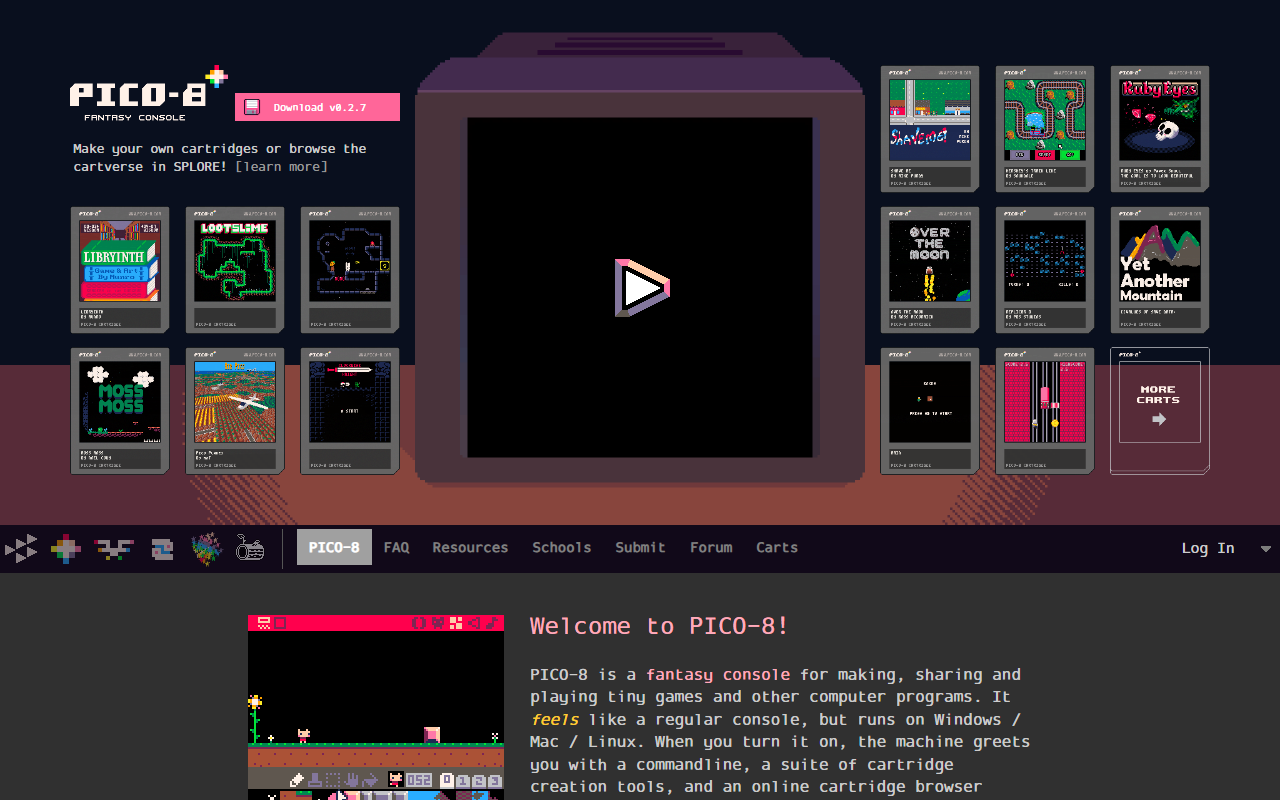
The fantasy console's site is a pixel art world end-to-end: sprite animations, pixel typography, and a design philosophy that treats the 128×128 screen limit as a creative constraint.
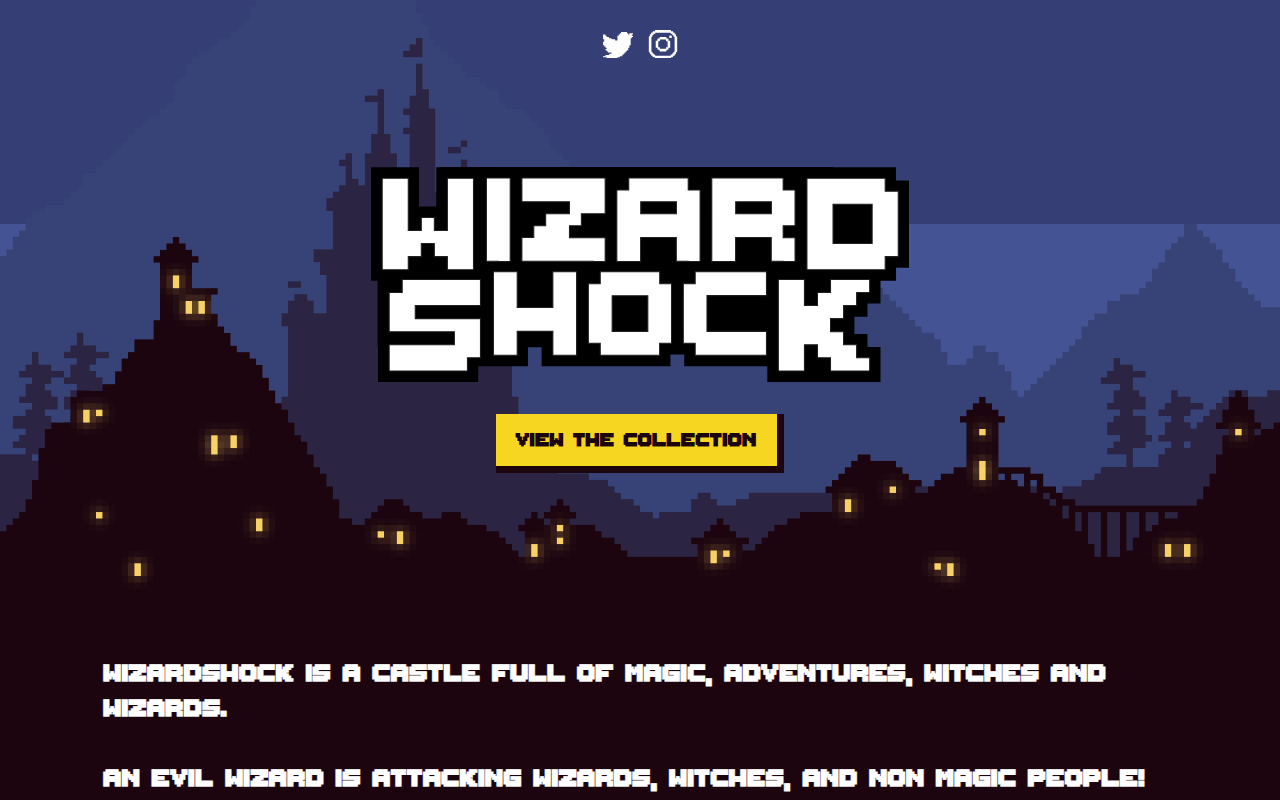
A one-page site that commits fully to the pixel art aesthetic: characters, backgrounds, and UI elements all hand-crafted in the 8-bit grid.
The trade-offs
+ Strengths
- Instantly recognisable and highly nostalgic, with powerful emotional resonance
- Signals authentic craft and handmade quality in a world of AI-generated everything
- Strong community identity: pixel art enthusiasts are passionate and engaged
- Scales down to tiny sizes better than any other illustrated style
− Watch-outs
- Demands genuine pixel art skill: faking it with filters looks immediately wrong
- Scales poorly on high-DPI displays unless explicitly handled with CSS image rendering
- Very niche: meaningful primarily to gaming and developer communities
- Accessibility challenges: pixel fonts can be hard to read at body text sizes
Builds coming soon
This style hasn't been built yet. Check back later.