Organic
Living Form
Organic design borrows from the shapes, textures, and rhythms of the natural world: irregular curves, earthy palettes, hand-drawn illustration, and asymmetric layouts that breathe and move. It trades the grid's precision for the warmth of things made by hand or grown in nature.
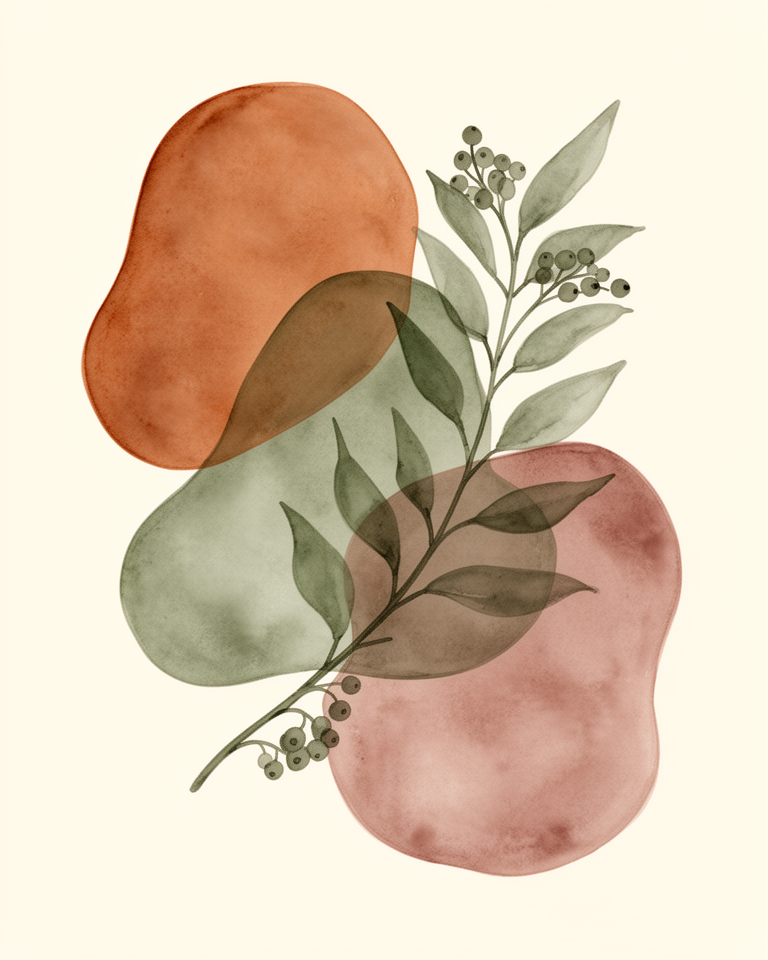
Nature as muse, from print to pixel
Organic aesthetics in design have deep roots in the Arts and Crafts movement's rejection of industrial uniformity. Each cultural wave (from sustainability branding to wellness culture) has brought natural forms back to the digital surface in new ways.
Digital Arts & Crafts
Arts & Crafts movement principles migrate to early digital design: handmade textures and natural forms push back against the sterility of early websites.
Farm-to-table goes digital
Farm-to-table, sustainability branding, and wellness culture drive organic aesthetics to the web, with earthy palettes and handmade illustration becoming signature marks of ethical brands.
The blob era
Blob shapes, soft gradients, and SVG illustration become ubiquitous in startup branding, reaching saturation point across product and tech companies.
Texture and materiality
A more disciplined organic aesthetic (less blob, more texture and materiality) is emerging as designers move past the overexposed soft-shape phase.
The grammar of living things
Biomorphic Shapes
Fluid, asymmetric blobs and curves inspired by living organisms replace the rectangle as the dominant form. These shapes suggest growth, movement, and breath rather than construction.
Earthy Palette
Terracotta, moss, sand, cream, and forest green form the foundation; saturated accents come from nature: berry, marigold, ochre. The palette reads warm and grounded without effort.
Textured Surfaces
Paper grain, linen, watercolor wash, and risograph overlay add handmade warmth to what would otherwise be flat digital surfaces. Texture signals craft and care.
Irregular Layout
Sections break the grid intentionally; overlapping elements and diagonal placement add vitality. The composition feels discovered rather than constructed.
Warmth as a brand differentiator
Organic design thrives wherever a brand wants to signal naturalness, care, and hand-craftedness. It is particularly powerful in categories where the product itself has an organic origin (food, beauty, wellness) and where warmth and trust are the primary conversion drivers.
- 01Food & Beverage BrandsFarm-fresh, artisanal, and craft food products align naturally with organic visual language
- 02Wellness & BeautySkincare, supplements, and wellness services use earthy tones and textures to signal clean ingredients
- 03Sustainability & EnvironmentalNGOs and eco brands communicate values visually through natural forms and materials
- 04Children's ProductsSoft shapes and warm palettes create safe, inviting, and playful digital experiences for young audiences
Brands rooted in nature
The strongest organic design examples show restraint; they use texture, shape, and palette purposefully rather than deploying every natural motif at once. These sites demonstrate how organic aesthetics serve brand narrative.
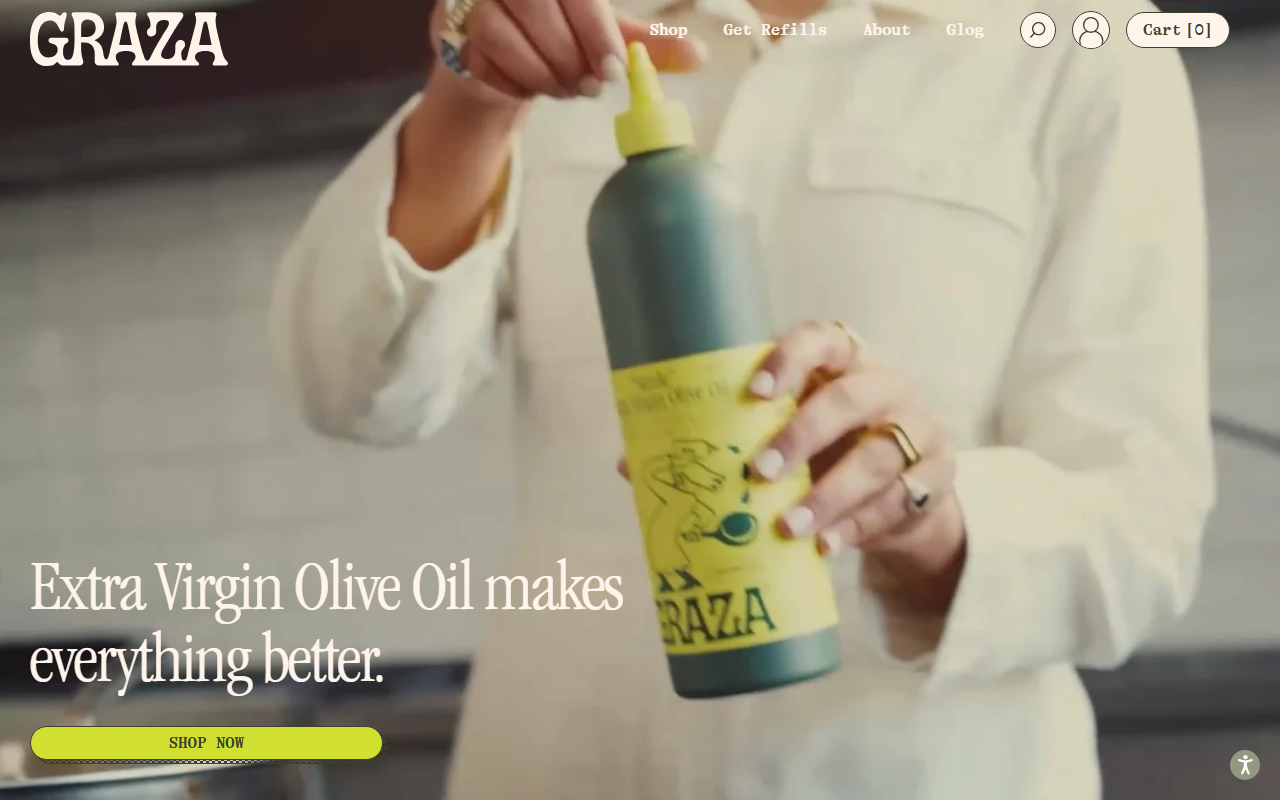
The olive oil brand's site uses warm yellows and greens, rounded shapes, and hand-drawn energy to make a food product feel genuinely alive and craft-made.
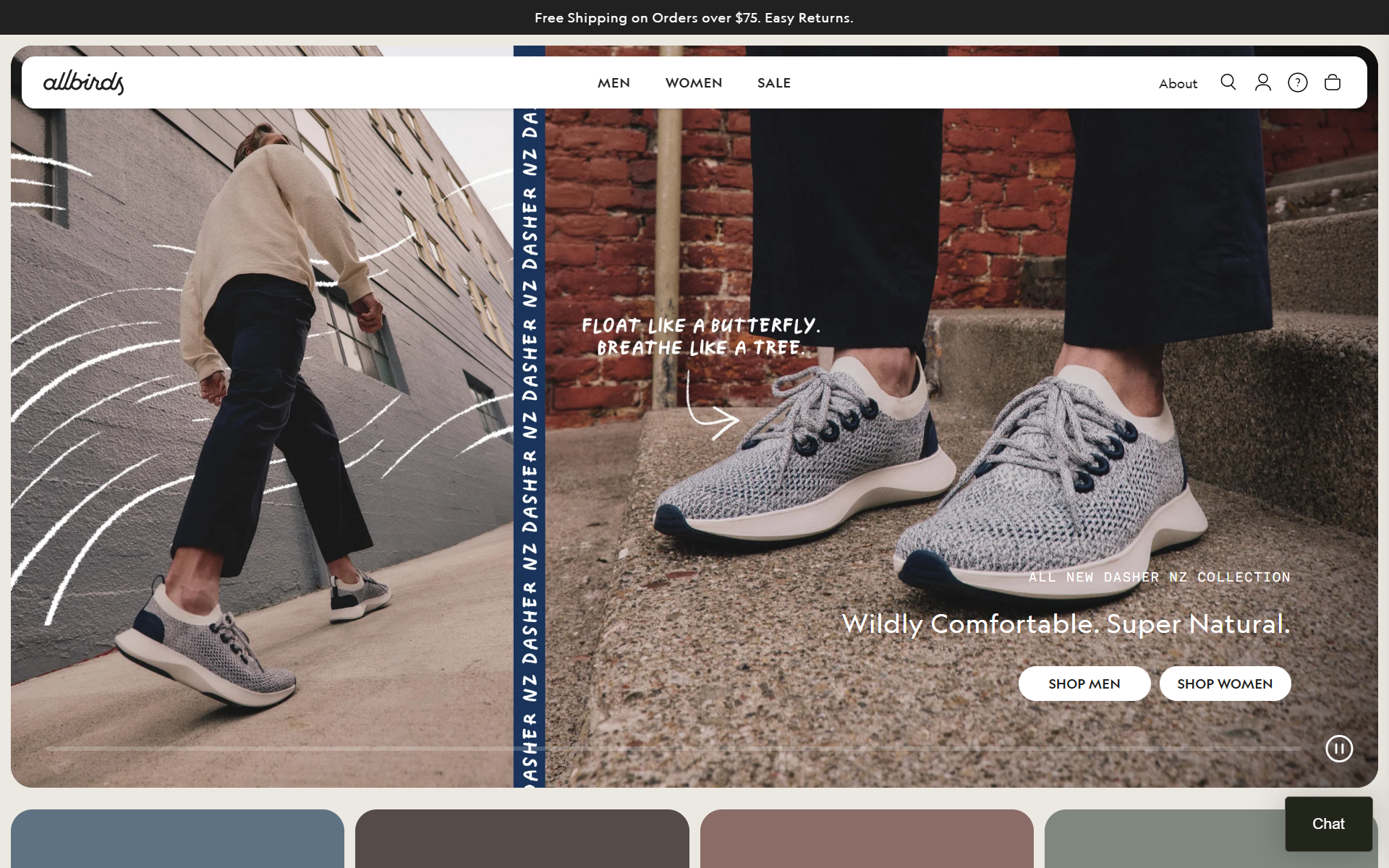
The sustainable footwear brand's earthy palette, natural photography, and soft rounded forms mirror its materials-first, low-impact product philosophy.
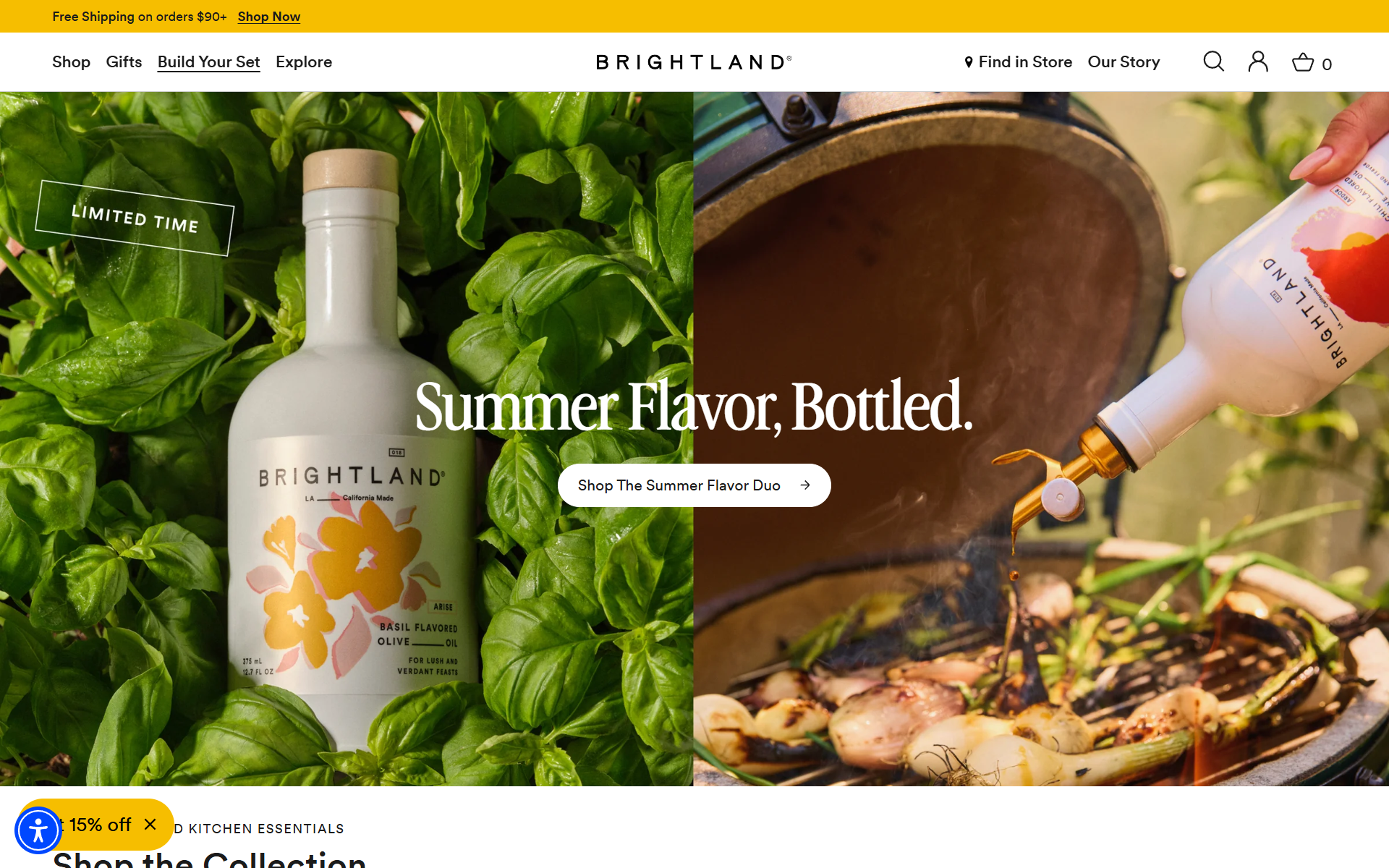
Warm photography, ochre and terracotta tones, and generous whitespace give this olive oil and vinegar brand the feeling of a sun-drenched kitchen.
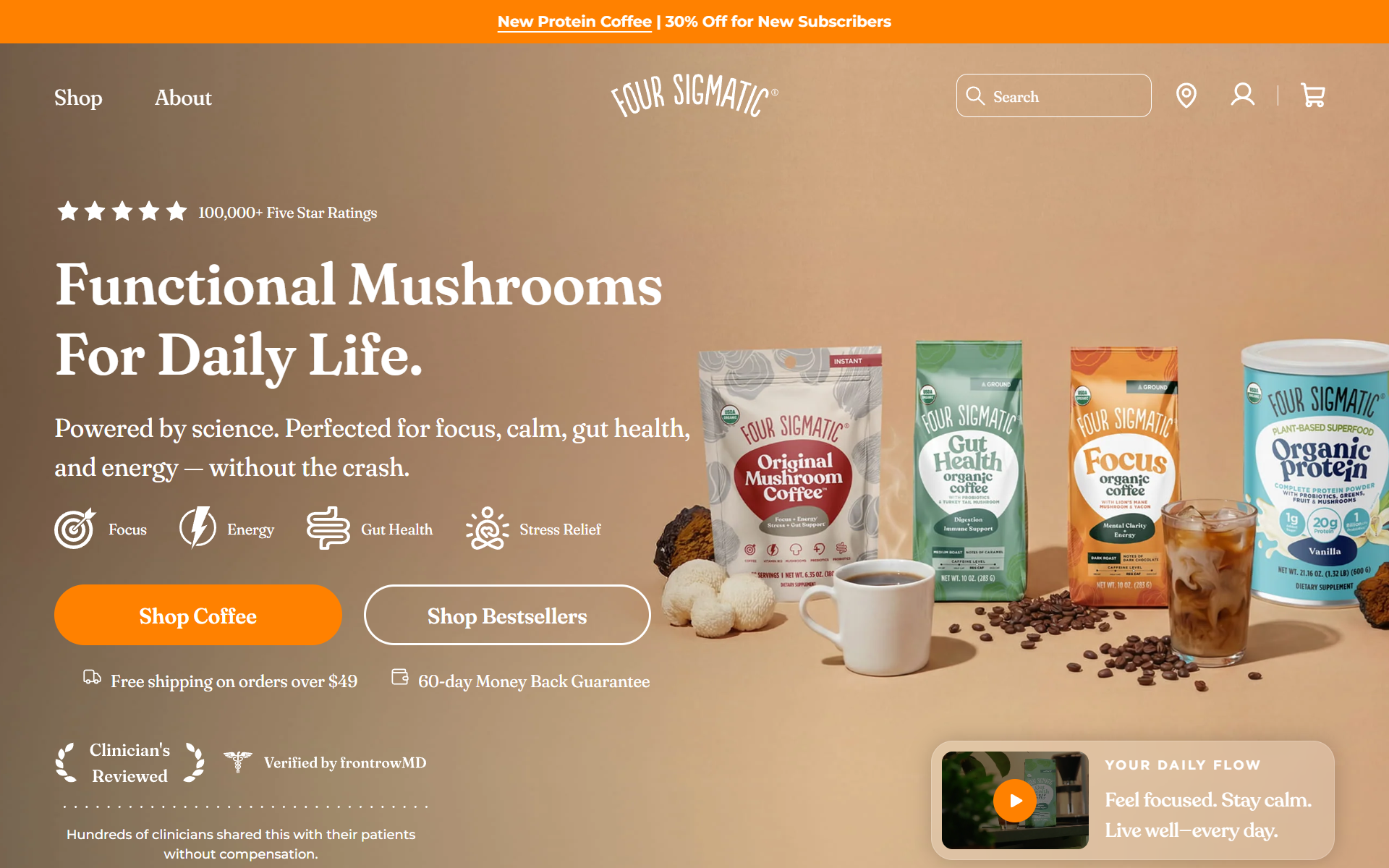
The mushroom coffee brand uses deep forest greens, earthy browns, and botanical illustration to root a functional wellness product entirely in the natural world.
The trade-offs
+ Strengths
- Warm and approachable: reduces the coldness common in tech and corporate design
- Differentiates strongly from the polished, minimal aesthetic dominant in SaaS
- Textures add richness and depth without increasing page weight significantly
- Pairs beautifully with natural-light photography and editorial content
− Watch-outs
- Blob shapes are heavily overused in startup and product branding after the 2018–2022 wave
- Can feel too casual or imprecise for B2B, enterprise, or financial contexts
- Accessibility risk: low-contrast earthy palettes may fail WCAG colour contrast requirements
- Handmade illustration adds significant production cost and is hard to scale across a full system
Builds coming soon
This style hasn't been built yet. Check back later.