Skeuomorphism
Digital Real
Skeuomorphism gave early digital interfaces the visual language of physical objects: leather-bound notebooks, felt card tables, and brushed aluminum controls. It built familiarity when the very idea of using a computer was unfamiliar, and its rich textures defined Apple's design language until 2013.
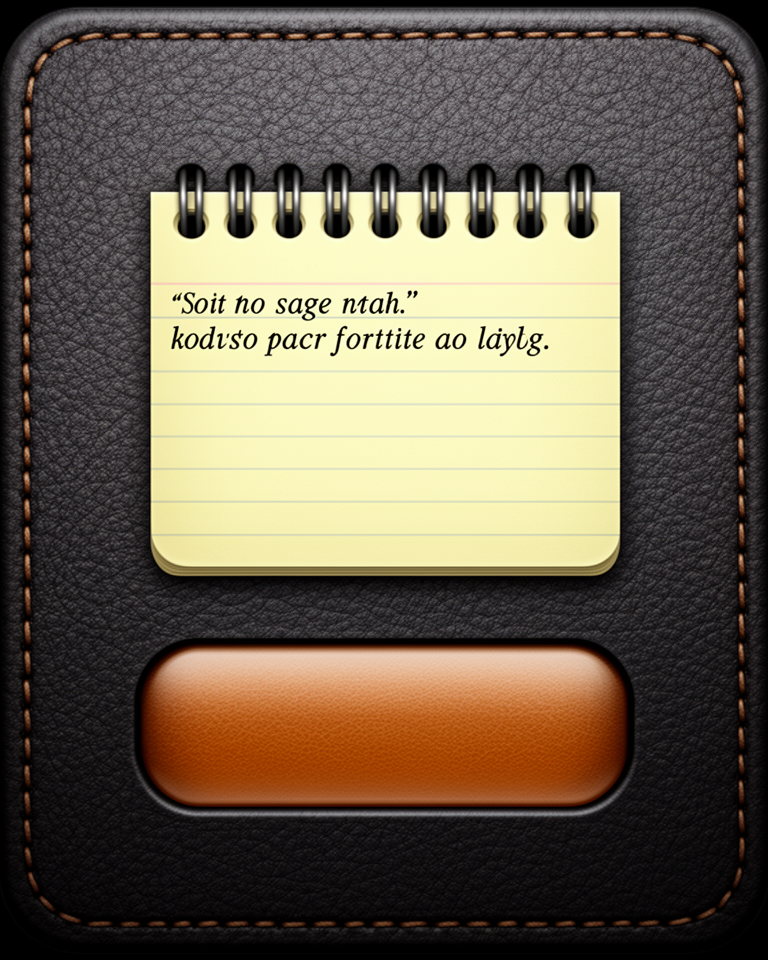
From leather and felt to the long shadow of flat
Skeuomorphism dominated the first decade of mass-market smartphone design. Its fall was swift and complete, but its influence on how we understand interface affordances has never really disappeared.
Aqua sets the tone
Apple's Aqua interface introduces glossy buttons, chrome accents, and liquid-drop icons on Mac OS X, establishing the visual language of the coming decade.
iPhone's physical world
The iPhone's launch showcases leather, felt, and wood textures across stock apps: Notes on yellow legal-pad paper, Contacts in stitched leather, Stocks with polished chrome.
Peak skeuomorphism
iOS's Game Center green felt table and Find My Friends stitched leather become iconic (and divisive) high-water marks of the style.
The flat revolution
iOS 7 abandons skeuomorphism for flat design under Jony Ive; the style retreats to nostalgia, games, and a small set of specialist categories.
The digital world made physical
Realistic Texture
High-resolution renders of leather, wood, metal, and fabric create tactile material surfaces. The texture is literal: a notes app looks like paper; a calendar looks like desk leather.
Physical Affordances
Buttons that look pressed, sliders with real knobs, toggles with visible mechanics. The visual appearance communicates function directly through analogy with familiar physical objects.
Object Metaphor
The interface is literally the object: a calendar looks like a desk calendar; a notepad looks like paper with a spiral binding. Metaphor and function are inseparable.
Lighting & Depth
Specular highlights, drop shadows, and gradient shading simulate a consistent light source above the screen. Every surface reflects and shadows as a physical object would.
Where immersion earns its cost
Skeuomorphism's production overhead is enormous: custom textures, detailed lighting, and bespoke illustration for every state. That cost is only justified when the emotional payoff of immersion, familiarity, or luxury is central to the product experience.
- 01Games & Casual AppsCard games, casino apps, and board game adaptations where physical metaphor is the product
- 02Luxury Brand ExperiencesPremium products where tactile richness signals quality and exclusivity
- 03Nostalgia & Heritage ProductsRetro-themed digital products that want to recreate the feeling of physical media
- 04Audio & Music ProductionDAW interfaces with analog-style knobs, VU meters, and reel-to-reel iconography
When digital looked real
The high-water mark examples of skeuomorphism come from the iOS 6 era and a handful of specialist apps that have maintained the aesthetic deliberately because their audiences expect and love it.
The trade-offs
+ Strengths
- Immediately understandable by first-time users: physical metaphors need no explanation
- Emotionally rich and engaging; textures create sensory pleasure that flat design cannot match
- Works exceptionally well for premium and luxury contexts where tactile richness signals quality
- Fun and rewarding to design; skeuomorphic craft is a genuine specialist skill
− Watch-outs
- Visually dated post-2013 in most contexts; the iOS 7 transition permanently changed expectations
- Extremely expensive to produce: custom texture, lighting, and illustration for every component
- Poor scalability across screen sizes; detail-heavy surfaces break down at small sizes
- Can obscure native interaction patterns when the physical metaphor and the platform convention conflict
Builds coming soon
This style hasn't been built yet. Check back later.