Grunge
Beautifully Broken
Raw texture, distressed type, and the beauty of things falling apart. Born in Seattle's underground music scene, grunge design rejects corporate polish in favour of authentic imperfection, and finds unexpected elegance in decay.
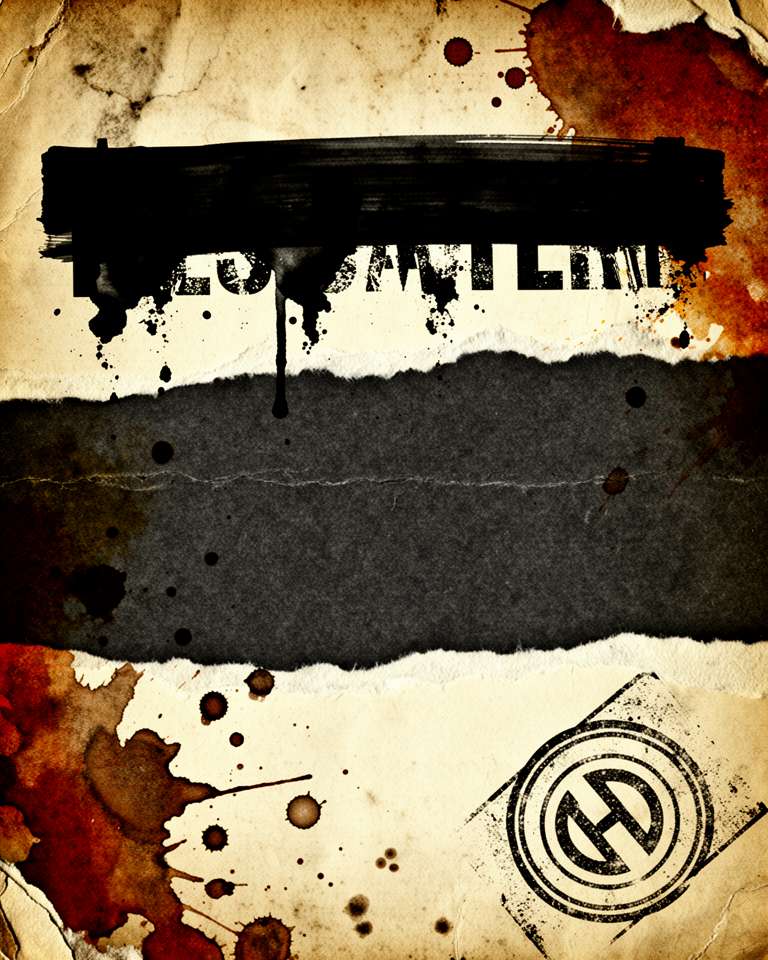
Authenticity Over Polish
Grunge design emerged from the Pacific Northwest's underground music scene as a visual rejection of the slick, commercialised aesthetic dominating mainstream culture. Designers like Art Chantry and the Sub Pop Records art department built a visual language from the materials at hand (photocopiers, found imagery, torn paper, rubber stamps) and in doing so created one of the most emotionally distinctive design styles of the 20th century.
Sub Pop Records
The Seattle independent label begins releasing records with deliberately lo-fi, distressed artwork; Art Chantry's photocopier aesthetic and torn-paper collages define the visual grammar of the emerging scene.
Mainstream Breakthrough
Nirvana's Nevermind breaks into the mainstream and the grunge aesthetic follows, reaching Rolling Stone covers, MTV graphics, and advertising campaigns desperate to capture its authenticity.
Ray Gun Magazine
David Carson's experimental typography in Ray Gun takes grunge's distressed sensibility to its conceptual extreme; layout designed to be felt before it is read, grammar broken as principle.
Digital Texture Revival
Contemporary designers return to grunge's visual vocabulary (distressed textures, earth tones, and organic typography) as a reaction against the clean, synthetic aesthetic of corporate digital design.
The Aesthetics of Decay
Distressed Textures
Paper grain, photocopier noise, coffee stains, ink bleeds, and worn surfaces are the material vocabulary. Imperfection is not a flaw to be corrected; it is the quality being pursued.
Organic Typography
Typefaces with visible grain, inconsistent weight, or hand-drawn character (or clean type treated with distress filters) reject the mechanical perfection of digital type in favour of human-scaled variation.
Earth Tone Palette
Rust, weathered denim, aged paper, charcoal, and muted natural tones: a palette that references physical decay, urban environment, and the warm impurity of analogue materials.
Layered Composition
Elements appear accumulated over time rather than designed simultaneously; newer content overlaps older, partially obscured information, creating visual depth through apparent history.
Where Authenticity Is the Brand
Grunge works wherever the authentic, handcrafted, and non-corporate is a genuine brand value rather than a marketing stance. It is a powerful signal to audiences that share its subcultural roots, and an equally powerful signal to everyone else that the brand values community over reach.
- 01Music & ArtsIndependent labels, music venues, artist collectives, and cultural organisations where the aesthetic is native rather than adopted.
- 02Craft & Artisanal BrandsBreweries, food producers, independent retailers, and makers whose handcrafted origins are core to their identity and differentiation.
- 03Creative AgenciesDesign studios and creative consultancies that want to signal genuine personality and creative risk-taking over reassuring professionalism.
- 04Activist & Zine CultureNon-profit campaigns, political organisations, and independent publishing where the DIY aesthetic is an ideological statement as much as a visual choice.
Grunge with Intention
Genuinely grungy web design is rare — the style lives most authentically in print, record sleeves, and zines. Examples coming soon.
The trade-offs
+ Strengths
- Deeply authentic: signals genuine cultural alignment, not just aesthetic choice
- Highly distinctive: nothing else in the digital landscape looks quite like it
- Strong community resonance with subcultural and creative audiences
- Rich material vocabulary: textures, typography, and palette offer genuine variety
− Watch-outs
- Accessibility risk: distressed type and low-contrast earth tones can fail WCAG standards
- Hard to execute digitally without losing the physical warmth that gives the style its power
- Very niche: meaningless or alienating outside subcultural contexts
- Thin line between authentic and appropriative when used by brands without genuine roots
Builds coming soon
This style hasn't been built yet. Check back later.